

Black Friday deals look tempting this week. The bill often outlasts the discount. A new survey finds that 22% of shoppers expect to carry Black Friday debt past January 2027. That is nearly 1 in 5 shoppers carrying this debt well into the new year.
The finding comes from Omni Calculator’s 2026 Black Friday survey of 899 U.S. adults. It was fielded in September 2026. Lingering Black Friday debt is not a one-time slip. Six percent of shoppers say they are still paying off purchases from last year’s Black Friday sales. That is more than ten months later.
How Long Black Friday Debt Actually Lasts
Most shoppers do close out their balance fairly fast. Among shoppers who expect to carry a balance past the sale, most pay it off quickly. 65% say they will pay it off before the end of January. The rest stretch it out much longer. Fifteen percent need one to three more months. Five percent need four to six months. Two percent say it will take more than six months to clear.
That slower tail matters because interest keeps adding up the whole time. Take a $1,000 balance at a 24% annual percentage rate. Paid down at $50 a month, it takes roughly 26 months to clear. It adds close to $290 in interest along the way. A bigger Black Friday haul paid down slowly costs more. It can run well past its original price tag before it is gone.
This pattern lines up with what shoppers already report about holiday debt more broadly. Holiday balances routinely roll from one season into the next. Black Friday often starts that cycle weeks before the rest of the season’s spending even begins.
Buy Now Pay Later Shoppers Face The Highest Risk
The survey’s starkest finding is how payment method predicts debt. Some shoppers plan to use buy now pay later apps for Black Friday purchases. Among them, 53% expect to still be paying in February or later. Among everyone else, only 16% expect to still be paying then.
Buy now pay later accounts for 15% of planned Black Friday payment methods overall. Generation Z and millennial shoppers lead that group at 19% each. Credit cards carried while holding a balance account for another 18%. That split is fairly even across age groups, with Generation X shoppers the most likely at 21%. Just over half of shoppers, 53%, plan to pay with debit or cash. Another 41% plan to pay their credit card in full.
Splitting a purchase into four payments can make a $200 jacket feel like a $50 decision. The total cost does not change. A missed installment can also trigger late fees on top of the original balance. That combination likely explains the pattern. Buy now pay later users carry debt longer than shoppers using any other payment method in this survey.
Why Shoppers Keep Reaching For Credit
Budgets are part of the story. The average planned Black Friday budget this year is $394. Most shoppers, 29%, plan to spend between $250 and $499. Forty-four percent expect to spend about the same as last year. Another 25% plan to spend more. Fifty-five percent say they will cut back elsewhere to cover it, most often by eating out less.
Trust in the deals themselves is thin. Fifty-eight percent of shoppers think no more than four in ten advertised discounts are genuine savings. Eighty-five percent believe retailers use at least one pricing trick to make a deal look bigger than it is. Clothing and shoes top the shopping list at 64%, followed by electronics at 59% and toys at 38%.
Full survey details, including the generational spending breakdowns, are available in Omni Calculator’s Black Friday survey.
How To Avoid Carrying Black Friday Debt Into 2027
A few habits separate shoppers who clear their balance by January from the ones still paying in the spring. Set a firm dollar limit before browsing any deal. Treat that number as the total for every gift, not a per-item budget. Check whether a buy now pay later plan is truly interest-free. Fine print varies by provider, and a missed payment can sometimes trigger a retroactive rate.
Pay with a method you can close out within a single billing cycle whenever that is realistic. Debit, cash, or a credit card paid in full each month all avoid interest charges. Each one keeps a holiday deal from turning into a longer repayment. If a balance is unavoidable this year, write down the amount and the rate now. Commit to a fixed payment schedule instead of a minimum payment that stretches on indefinitely.
The same logic applies to buy now pay later spending too. It matters across the whole season, not just Black Friday weekend. Stacking several installment plans across different apps makes it easy to lose track of what is owed. It also makes it easy to miss when each payment is due.
Final Thoughts
A discount only saves money if you pay off the balance on schedule. Nearly 1 in 5 shoppers already expect Black Friday debt to follow them into 2027. Buy now pay later users are more than three times as likely to be in that group. Before checkout, decide how you’ll pay it off, not just how you’ll split it up. That one decision is often what separates a good deal from a long one.
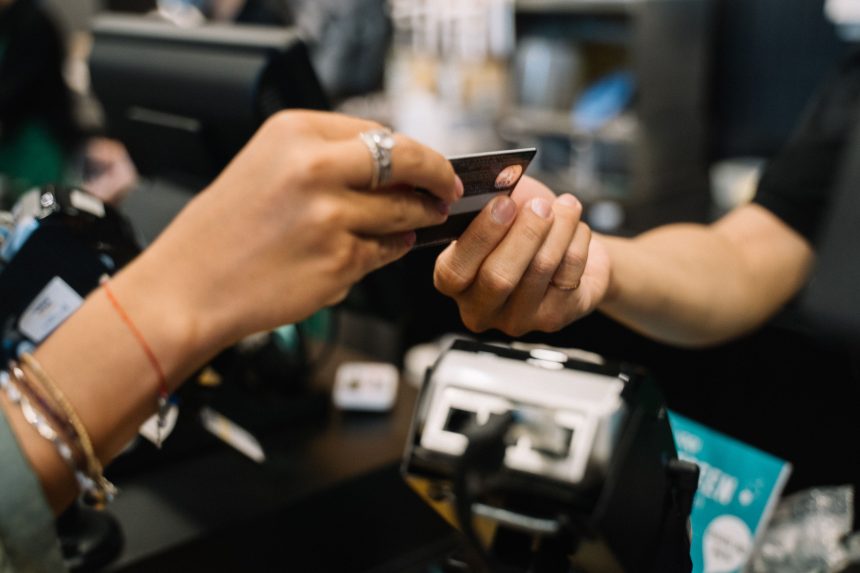
Photo by Anna Tarazevich: Pexels