

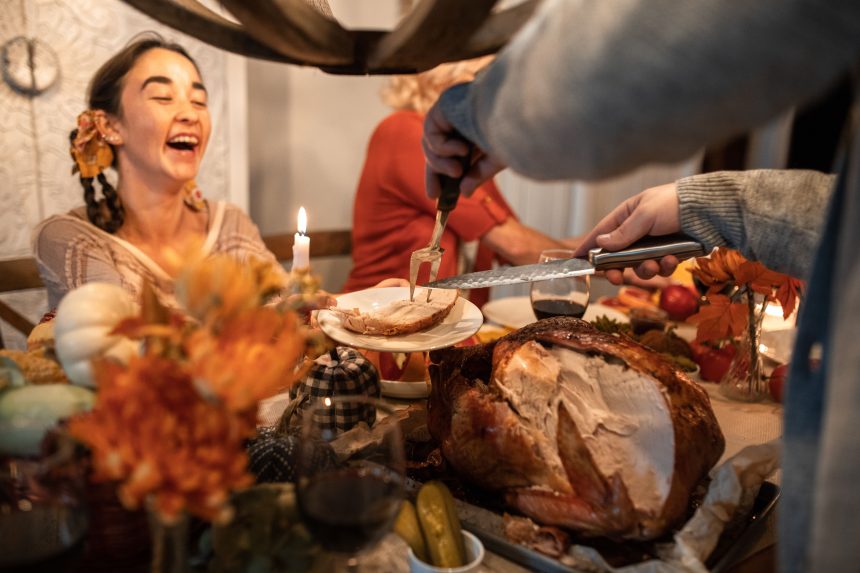
You offered to host Thanksgiving this year. Then the grocery list got longer. A few relatives asked if they could bring “just themselves.” The total crept past what your budget could comfortably absorb. You are not the only host feeling that squeeze. A new LendingTree survey finds nearly two out of three Thanksgiving hosts expect to borrow money for the meal. Thanksgiving hosting debt is becoming a real line item in many household budgets this year.
Why More Hosts Say They Need To Borrow This Year
LendingTree’s 2026 Thanksgiving survey was fielded in early October among 2,000 U.S. consumers. It found that potential hosts expect to spend an average of $427 on food, drinks and housewares. That is up 3% from $414 last year. Fewer people are even raising their hand to host in the first place. Only 51% say they might host this year, down from 59% in 2025.
The borrowing numbers are the real story here. Sixty two percent of potential hosts say they may need to borrow to cover the celebration. Among that group, 38% plan to reach for a credit card. Another 18% plan to use a buy now, pay later loan. Higher earners are not immune to this trend. Among hosts earning $100,000 or more, 49% expect to use a credit card. Among hosts earning under $30,000, only 17% say the same.
Hosting Costs Keep Climbing While Guest Lists Shrink
Inflation is reshaping the holiday table itself, not just the final bill. More than half of people celebrating Thanksgiving, 53%, say rising prices are affecting their plans or budget. Of that group, 25% are changing what they cook. Another 22% are using more coupons, and 14% are cutting back on who gets invited.
Among potential hosts specifically, 32% say hosting now feels like a financial strain. Most hosts do have a budget in place. Seventy eight percent say they set one, according to the survey. Yet only a quarter describe that budget as strict. That gap between having a budget and sticking to one is often where holiday debt quietly builds.
This pattern tracks with what Debt Discipline has already tracked across the rest of the season. Holiday debt hit $1,223 last year. Thanksgiving is often the first charge added to a balance that keeps growing through December.
Why Borrowing For One Meal Can Cost Months Of Payments
Charging a holiday dinner feels manageable in the moment. The amount looks small next to a mortgage or a car payment. The math changes once interest gets involved. Credit card interest rates have hovered near 22% on average this year. A balance left sitting on a card past the due date keeps growing even after the last plate is washed.
LendingTree’s Matt Schulz, the company’s chief consumer finance analyst, has pointed to this exact risk. Interest and other borrowing costs can turn one holiday purchase into months of payments. A single day of celebrating ends up costing far more than the receipt shows. The survey does offer a silver lining too. Among hosts planning to charge expenses, 89% expect to pay the balance off within three months. More than half, 56%, expect to clear it within a single month.
That plan only works if it actually happens. LendingTree’s Thanksgiving survey found real intent to pay quickly. Intent and a tight November budget do not always line up. Other holiday shopping is already competing for the same paycheck.
Who Is Feeling The Squeeze Most
Parents of children under 18 are the most likely group to host this year, at 67%. Six figure earners follow closely behind at 66%. Younger hosts report feeling the pinch hardest of all. Sixty six percent of Gen Z celebrators, ages 18 to 29, say inflation is affecting their plans. That is well above the overall rate of 53%.
Guest contributions have become part of the coping strategy. Sixty percent of potential hosts now expect guests to bring money, food or drinks. They no longer assume they will cover every cost themselves. Among Gen Z hosts, that expectation jumps to 72%. A quarter of hosts would even consider leaving a non-contributing guest off next year’s invitation list. That number rises to 46% among Gen Z hosts specifically.
How To Host Thanksgiving Without Starting A New Debt Cycle
A few practical moves can keep this year’s dinner from becoming a January statement you dread opening. Set a firm dollar limit before you shop, not after. Write it down somewhere you will actually see it while standing in the grocery aisle.
Ask guests to bring a dish, drinks or a grocery store gift card. Most hosts already expect this, so there is no reason to feel awkward asking directly. Skip buy now, pay later loans for groceries specifically. Splitting a grocery bill into four payments rarely matches how quickly food gets used.
If a credit card is genuinely the only option, treat LendingTree’s three month payoff window as a real deadline. Build a specific payment plan now, rather than waiting for the January bill to decide it for you. Reusing decorations and sides from past years can also shrink the total. Leaning on a potluck format helps even more.
If this year’s balance lingers longer than planned, the fix is the same one that works for any other balance. Pick one payoff method. Apply it to the Thanksgiving charge first, before it gets buried under new December spending.
Frequently Asked Questions About Thanksgiving Hosting Debt
How Much Does Hosting Thanksgiving Cost In 2026?
LendingTree’s survey found potential hosts expect to spend an average of $427 on food, drinks and housewares this year. That is up 3% from $414 in 2025.
How Many People Go Into Debt For Thanksgiving?
Sixty two percent of potential hosts surveyed say they may need to borrow money to cover Thanksgiving. Of that group, 38% plan to use a credit card. Another 18% plan to use a buy now, pay later loan.
Is It Bad To Put Thanksgiving On A Credit Card?
It depends on how quickly the balance gets paid off. Most survey respondents who plan to charge expenses expect to pay the balance within three months. A card used that way rarely causes lasting damage. A balance that lingers past that window starts accruing real interest cost.
Why Are Fewer People Hosting Thanksgiving This Year?
Only 51% of people say they might host in 2026, down from 59% in 2025. Rising grocery costs are pushing some potential hosts to attend someone else’s gathering instead.
Final Thoughts
Hosting Thanksgiving was never supposed to require a loan. The fact that 62% of hosts expect to borrow this year says less about any one family’s choices. It says more about how far grocery budgets have been stretched. Set your spending limit before you shop. Ask guests to help carry the load. Treat any balance you charge as a bill due in three months. It should not become a debt you carry into the new year.
Photo by RDNE Stock project: Pexels