

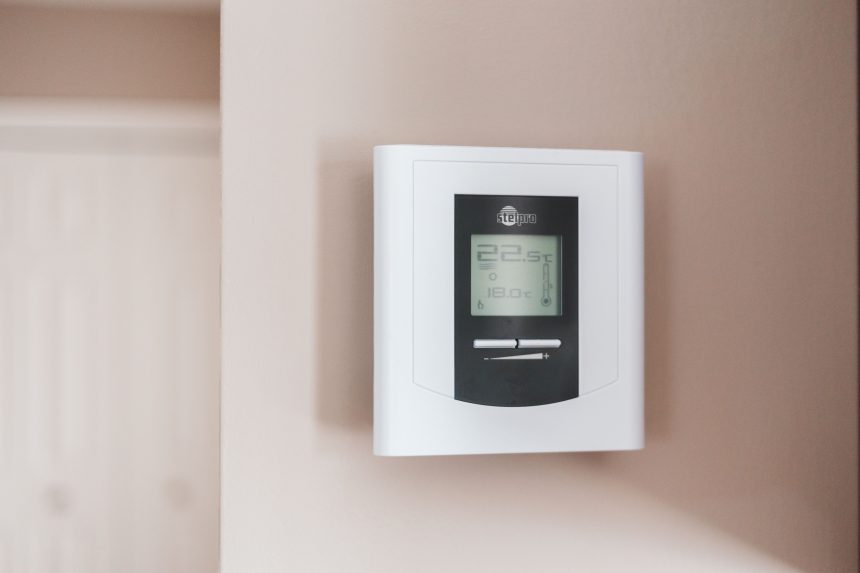
Your thermostat used to be background noise. Now it feels like a decision you make every time you walk past it. Winter heating costs are climbing again this year. For households already behind on other bills, that extra cost has nowhere good to go. It lands on a credit card. Or it turns into one more unpaid balance competing for the same stretched paycheck.
Winter Heating Costs Are Already Creating Debt
Millions of households are entering this heating season with no cushion left. About one in six American households is already behind on a utility bill. Unpaid utility debt nationwide is approaching $23 billion, according to the National Energy Assistance Directors Association. In 2024 alone, utilities disconnected electric service roughly 13.4 million times over unpaid balances. Utilities cut off natural gas service about 1.7 million more times.
That burden does not fall evenly. Households in the lowest income bracket spend close to a tenth of their income on electricity and natural gas combined. That share has climbed year over year. Households in the top income bracket spend barely more than 1% of their income on the same bills. A $50 increase barely registers for one household. It forces a hard choice for another.
Some of that gap already shows up as credit card debt instead of utility debt. More Americans are relying on credit cards to cover everyday costs as inflation squeezes household budgets. A single cold month can turn a routine heating bill into a balance that lingers well past spring.
Fuel Costs Are Splitting This Winter
This winter’s bills will not rise evenly across the country. The U.S. Energy Information Administration projects that heating oil customers will pay about $2,115 on average this winter. That is a 21% jump from last year, the sharpest increase of any fuel type. Electricity customers should expect to pay around $1,196, up about 4%.
Natural gas and propane customers make up roughly half of U.S. households. They are actually projected to catch a break this year. The EIA expects average natural gas expenditures to fall about 9% to $640. Propane costs should drop around 3% to $1,246, mostly because wholesale fuel costs have eased. That relief is not universal, though. Electricity costs in the West are projected to climb 9% this winter because of colder expected weather.
Heating oil households face the steepest climb of any group. They are concentrated in the Northeast, already the most expensive region for home heating. A colder-than-expected winter could push every one of these numbers higher. Forecasters are watching an unusual El Niño pattern that could bring sharp regional swings.
The government’s own winter fuels outlook notes that switching fuel types rarely lowers a household’s actual bill. Home size, insulation, and local climate matter more than the fuel itself. For most families, the realistic goal is managing the bill that arrives, not avoiding it.
The Federal Backstop Is Also in Doubt
Roughly 5 million households rely on the Low Income Home Energy Assistance Program each year. The average benefit ran around $467 in the most recent year on record. That program is caught in its own funding fight this winter.
Congress set this year’s LIHEAP funding at just over $4 billion. That was part of the deal that ended last fall’s government shutdown. The final tenth of that money, roughly $421 million, did not reach states until April, after repeated delays. Now the administration’s budget proposes eliminating LIHEAP funding entirely for the fiscal year ahead. That is the second year in a row it has tried. Congress rejected the same proposal last year and increased funding instead. House Appropriations Committee Chair Tom Cole has said he opposes eliminating the program again.
NEADA executive director Mark Wolfe says the data amounts to a warning. “Too many families are entering winter with no room left in their budgets,” he said. He added that families have very little time to prepare.
What to Do Before the Bills Pile Up
A few steps can soften the hit before a heating bill turns into a balance you carry into June. Call your utility now, before you miss a payment. Ask about a budget billing plan that spreads costs evenly across the year instead of spiking in January. Ask directly whether the company offers a hardship program for customers who are behind. Many utilities offer options they don’t advertise widely.
Apply for LIHEAP through your state energy office even if you are unsure you qualify. Income limits vary by state and household size. Funding that has already reached states this year is still available on a first-come, first-served basis. A local community action agency can usually process an application within a few weeks.
Weatherproofing helps more than most people expect. Sealing drafts around doors and windows helps, as does replacing furnace filters. Lowering the thermostat by even one or two degrees overnight can meaningfully reduce a monthly bill. None of these require a major repair or purchase.
Frequently Asked Questions About Winter Heating Costs
Why Are Heating Oil Prices Rising So Much More Than Other Fuels?
Heating oil tracks global crude oil markets closely. This year’s projected 21% increase reflects tighter supply and higher crude prices. Heating oil customers are also concentrated in the Northeast, where overall heating costs already run highest.
Will Natural Gas Customers See Lower Bills This Winter?
The Energy Information Administration projects a roughly 9% drop in average natural gas expenditures nationally. That mainly reflects lower wholesale fuel costs. Local weather and utility rate changes can still push an individual bill higher than the national average.
What Should I Do if I Cannot Pay My Heating Bill?
Contact your utility before the due date and ask about a payment plan. Apply for LIHEAP through your state energy office. Ask a local community action agency about emergency funds if LIHEAP funding in your state runs out.
Final Thoughts
Winter heating costs are not the kind of debt that shows up on a credit report right away. But they add up the same way any other missed payment does. The households already carrying a balance between paychecks face the biggest risk. This winter’s bills are likely to become next spring’s debt.
For many families, the real issue is not this one bill. Emergency savings keep losing ground to credit card debt before winter even starts. That leaves no cushion for a cold month. Call your utility before a bill goes unpaid. Apply for help if you qualify. Treat this season’s higher costs as one more reason to keep chipping away at the balances already on your plate.
Photo by Erik Mclean: Pexels