

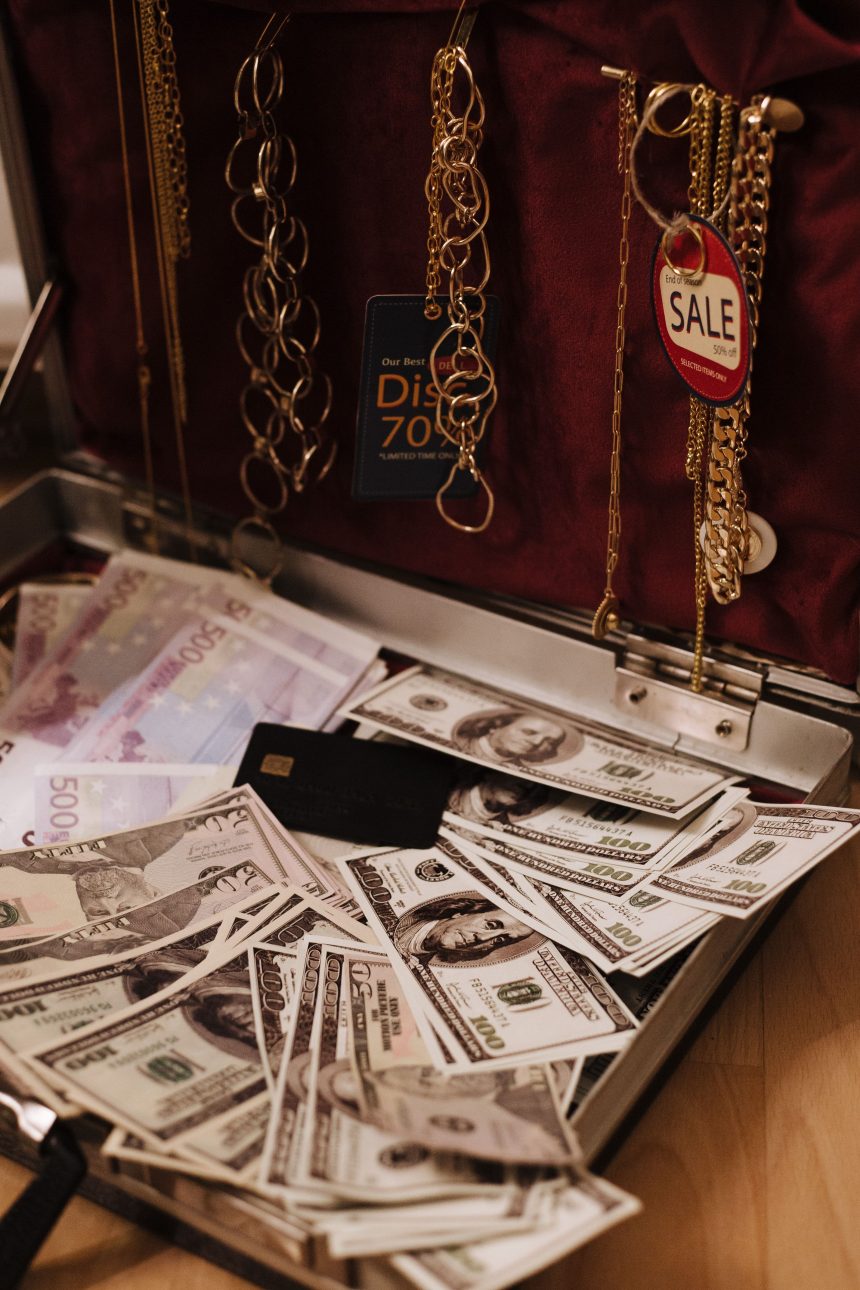
Pawn shop loans are climbing fast in 2026. The growth is not coming from collectors hunting for deals. It is coming from everyday borrowers who need quick cash. Major pawn lenders are reporting double-digit loan growth across the country. The pattern matches a familiar story. Credit cards are maxed out, savings are drained, and banks will not write a loan for a few hundred dollars.
Pawn Loan Balances Are Growing Fast Across the Country
FirstCash is the largest pawn lender in the country. Its same-store U.S. pawn loan balances grew 19% year over year in the first quarter of 2026. They rose roughly 20% in the second quarter. That marks more than two years of double-digit growth in the United States alone.
EZCORP is the other major publicly traded pawn operator, and it reported similar momentum. Its U.S. pawn loans outstanding rose 15% year over year through the third fiscal quarter of 2026. Same-store balances were up 13%. Over the first nine months of its fiscal year, EZCORP made nearly $948 million in pawn loans nationwide. That is up more than 28% from the same period a year earlier.
Those are not small, one time blips. FirstCash has now posted double-digit U.S. pawn growth for roughly 11 consecutive quarters. The company told investors it expects pawn lending to make up close to 90% of its net revenue this year. That share shows how central these small, short-term loans have become. They matter to the company and to the households relying on them.
Many borrowers reach for a paycheck advance app before they ever walk into a pawn shop. Those apps promise fast cash with no credit check. But most still carry a real cost. A 2026 analysis found that paycheck advance apps cost users hundreds of dollars a year in fees and tips. Many of those apps are marketed as free.
Why More Borrowers Are Walking Into Pawn Shops
Economist Scott Fulford wrote “The Pandemic Paradox,” and he has a straightforward explanation. He says pawn, payday, and other high-cost debt have all grown over the last several years. Part of the reason is simple. Pandemic-era savings cushions got spent down, and most households never rebuilt them. Without that buffer, a car repair or a late paycheck can push a family toward whatever lender says yes fastest.
Pawn shops say yes faster than almost anyone else. The loan is secured by an item the borrower hands over, not by a credit check. Ted Brigante owns E&B Pawn in Moorestown, New Jersey. He says most of his customers are not chasing a windfall. They are just trying to get through a regular week without going broke. He estimates about half the electronics on his shelves came in as collateral on loans nobody repaid. He calls that bluntly a mortgage on your stuff.
Anthony Chukumba is an analyst at Loop Capital Markets who covers the pawn industry. He calls the current environment a “Goldilocks” moment for pawn lenders. Consumers are squeezed, he says, but most are still employed. People can usually scrape together enough to repay the loan and get their item back. That keeps the business healthy even as it signals real strain underneath.
For many borrowers, a pawn loan is less about one expense and more about running out of other options. Credit limits are part of that story. Rising credit card balances in 2026 have left many households with little room left on a card. That leaves the next unexpected bill heading toward a pawn counter instead.
Public radio’s Marketplace spoke with pawn customers directly about this shift. One longtime customer, Adina Cruz, said she avoids banks entirely for a small loan. Dealing with a bank over a small amount of money is not worth the hassle for her. Marketplace’s reporting on turning to pawn shops found that counters get busiest at the start of the month. That is when rent is due.
Average Loan Sizes Are Climbing Too
It is not just the number of pawn loans rising. The average loan size is climbing as well. EZCORP’s average U.S. pawn loan grew from about $159 in fiscal year 2022. It reached roughly $240 by the second quarter of fiscal year 2026. That is an increase of nearly 51%. FirstCash saw a similar pattern. Its average outstanding U.S. pawn loan rose from about $247 at the end of 2022 to around $328 by March 2026. That is up about a third.
Part of that increase traces back to rising gold and jewelry prices. Jewelry makes up roughly 69% of the collateral EZCORP takes in at its U.S. stores. A borrower pledging a gold chain today gets a bigger loan than the same chain fetched a few years ago. That alone inflates the average loan size. It does not necessarily mean every borrower is more desperate than before. Still, bigger loans mean bigger risk if someone cannot repay and redeem the item in time.
What This Means if You Are Already Juggling Debt
Pawn loan costs vary widely by state. Florida, for example, lets pawnbrokers charge interest and fees of up to 25% of the loan amount every 30 days. A $300 loan could end up costing $375 or more if it runs for just one month. If you miss the deadline, the pawn shop simply keeps the item. No collector chases the balance, and no mark appears on your credit report.
That structure can feel like a relief if your main worry is your credit score. A pawn loan typically will not show up on a credit report at all. But it comes at a real cost. You lose a possession outright, with no dispute process like you would with a credit card error.
Pawn loans and payday-style borrowing can work fine as a one-time bridge. A repeated habit is a different story. It usually signals a gap between income and expenses that needs a different fix. It helps to compare that roughly 25% monthly cost against other borrowing options. Personal loan debt recently hit a record high nationwide. Partly because more borrowers are choosing fixed-rate installment loans over repeated pawning or revolving credit card debt.
Frequently Asked Questions About Pawn Shop Loans
Do pawn shop loans hurt your credit score? No. Pawn loans generally are not reported to the three major credit bureaus. Paying on time, paying late, or forfeiting the item usually will not appear on a credit report either way.
What happens if you cannot repay a pawn loan? The pawn shop keeps the item you pledged and can sell it. Lenders typically do not pursue you for the remaining balance, and most states have no separate collection process.
Are pawn shop loans cheaper than payday loans? It depends on the state and the item. Some pawn loans carry lower effective rates than payday loans. Fees still often work out to 20% to 25% a month, so it is rarely a low-cost option.
Final Thoughts
A rising tide of pawn loans is not proof that every household is in crisis. Some of the growth simply reflects higher gold and silver prices. But the steady climb in both the number and size of these loans has now lasted more than two years. That timeline lines up with everything else pointing to thin financial cushions. If a pawn loan is covering a true one-time gap, that is exactly what it is built for. If it is becoming a monthly habit, track where the money is actually going. Do that before the next surprise bill sends you back to the counter.
Photo by Ron Lach: Pexels