

You swipe your card for groceries this week the same way you did last week. The total feels different anyway. Prices keep inching up, and more households are relying on credit cards to close the gap. NerdWallet’s Consumer Financial Resilience Index came out October 20, 2026. It found 38% of Americans now expect to rely on credit for at least some expenses this month. That is up from 36% in August and 35% in September. Inflation hit 3.7% in September, its highest reading in months. It is already reshaping how households pay their bills.
What Is Pushing More People Toward Credit Cards
Consumer prices rose 3.7% year over year in September. That is up from 3.4% in August, per Bureau of Labor Statistics data cited in the NerdWallet report. Gasoline prices drove much of that jump. Wages have not kept pace. Prices have grown faster than average hourly earnings for three straight months through September. That gap is exactly where reliance on credit cards tends to grow.
Kimberly Palmer, a personal finance expert at NerdWallet, said turning to credit when prices climb is not unusual. The habit becomes a problem when a stopgap balance never gets paid down. A card that covers one tight month can become a card carrying debt for a year. Interest compounds the whole time it sits there.
Who Is Leaning on Credit the Hardest
The jump in credit reliance is not spread evenly. Parents of children under 18 reported the sharpest increase. Fifty-four percent now expect to rely on credit this month, up from 44% in September. Only 30% of non-parents said the same. By generation, 53% of Gen Z adults and 51% of millennials expect to lean on credit. Just 37% of Gen X and 17% of baby boomers said the same.
Income plays an even bigger role in who has a cushion to fall back on instead. Only 39% of households earning under $50,000 have enough cash on hand to cover a $1,000 emergency. Compare that to 81% of households earning over $100,000. When savings cannot absorb a surprise expense, a credit card often steps in. The balance tends to stay there long after the emergency passes.
That dynamic is not new. It is the same pattern behind the record balances many households are still working through. If your own card is carrying more than it used to, a clear plan matters more now. Start by learning how to pay off credit card debt before rates and prices climb even further.
A Possible Rate Hike Could Make Borrowing More Expensive
The timing adds another layer of risk. NerdWallet’s report anticipates at least one more Federal Reserve rate move before the end of 2026. That move could raise costs on variable-rate debt like credit cards. It is a forecast, not a confirmed event. Credit card APRs already average in the mid-20s. Any further increase would hit balances households are already struggling to pay down.
NerdWallet’s October Financial Resilience Index tracks this shift every month. The index draws on a survey from The Harris Poll each month. The index itself slipped slightly, to 61.6 in October from 61.5 in September. That suggests overall confidence is holding roughly steady, even as more people turn to credit. Palmer noted that small steps now can save real money later. Paying down a revolving balance before a rate hike lands is one example.
The Confidence Gap Behind the Numbers
Nationally, 78% of adults say they feel in control of their day-to-day finances. That is up from 73% in September. Confidence isn’t evenly distributed across groups, though. Only 68% of Gen Z adults feel the same way, the lowest share of any generation measured. Gen X and millennials both landed closer to 77%. Baby boomers reported feeling in control at 86%.
A similar gap shows up in bill-paying confidence. Seventy-eight percent of all adults feel confident they can pay every bill on time this month. Among Gen Z respondents, that figure drops to 66%. Reaching for a credit card can feel like the only option left. That is especially true when confidence is already this low and a bill is due regardless.
How to Keep Rising Prices From Becoming Revolving Debt
A credit card covering one tight week is not automatically a problem. It becomes one when the balance rolls into a second month, then a third. Interest keeps adding up. A few habits keep a temporary gap from turning into a permanent balance.
Track which charges on your statement cover true essentials, like groceries and utilities. Keep those separate from everything else you spend on. That split makes it easier to see how much inflation is actually adding to your monthly costs. Pay off that essential expense balance first. Do this even if it means paying less toward other goals for a month or two.
Call your card issuer before a rate hike hits, not after. Ask directly whether you qualify for a lower rate or a short-term hardship plan. Issuers are often more willing to work with you before an account falls past due. Watching how the Fed’s next rate decision unfolds can help you time that call. A hike affects new balances fast, but it touches existing fixed terms more slowly.
Build even a small buffer alongside paying down what you owe. Set aside an extra $20 or $30 a week automatically. That gives you something other than a credit card to reach for the next time a price spike hits your budget.
Frequently Asked Questions About Relying on Credit Cards in 2026
Is It Bad to Use a Credit Card for Everyday Expenses?
Not by itself. Using a card for groceries or gas is fine if you pay the balance in full each month. The risk grows when that balance carries over and starts collecting interest on top of the original charges.
Why Are Younger Adults Relying on Credit More Than Older Generations?
Younger adults generally have smaller emergency savings and less time to build them. Gen Z and millennial households also report lower overall financial confidence. That tracks closely with higher credit card reliance in the same survey data.
Will a Federal Reserve Rate Hike Affect My Existing Credit Card Balance?
Yes, if your card carries a variable rate, and most do. A rate increase typically raises your APR within one or two billing cycles. The same balance then costs more in interest until you pay it down.
Final Thoughts
Rising prices are nudging more households toward a credit card that wasn’t part of last year’s plan. That shift is understandable. It doesn’t mean you are managing money poorly. The real risk is letting a one-month stopgap quietly turn into a balance that outlasts the price spike itself. Check which charges on your statement cover essentials this week. Put your next extra dollar toward paying that part down first.
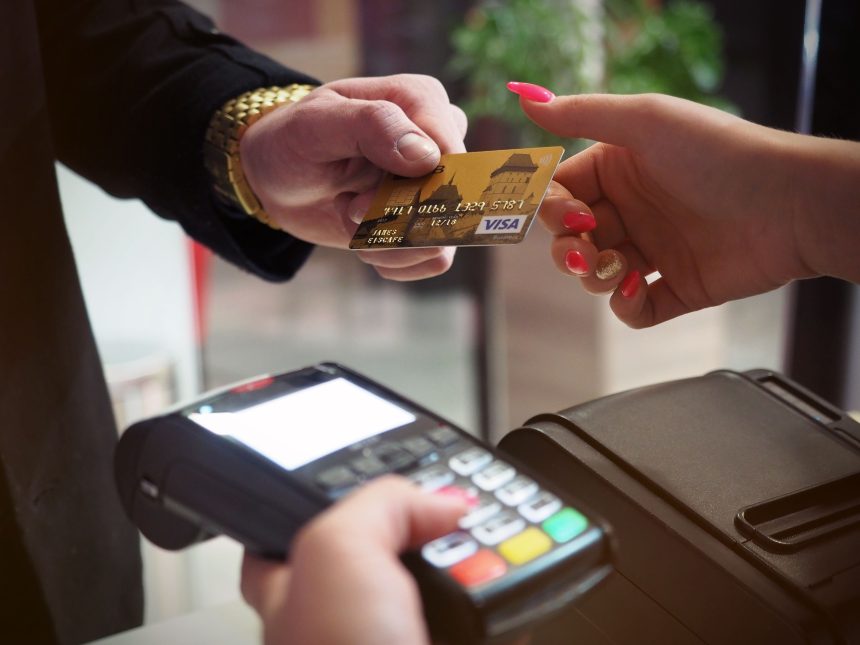
Photo by energepic.com: Pexels