

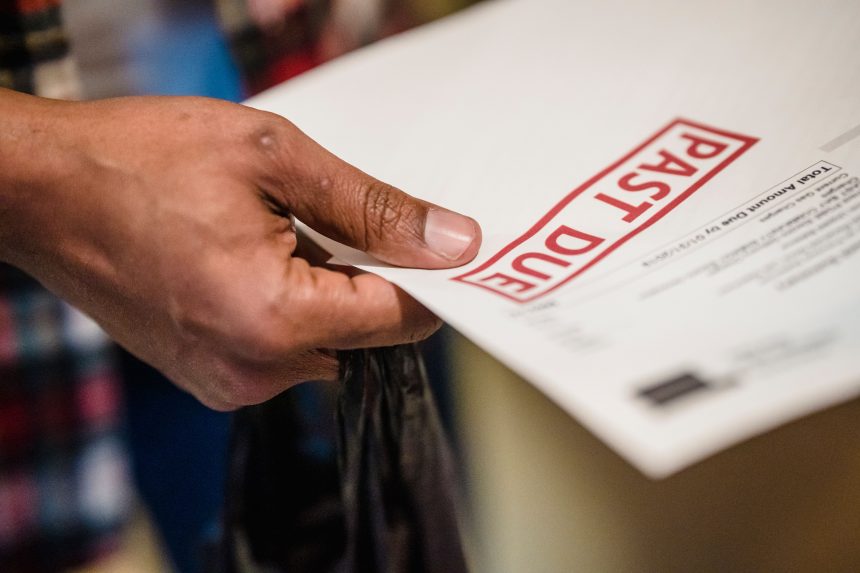
Student loan debt collection is changing hands in 2026. Millions of borrowers in default will soon notice. The Education Department has started handing its defaulted loan portfolio to the Treasury Department. That is the same agency that already chases unpaid taxes and overdue federal fines. Roughly 9.2 million borrowers now owe about $180 billion in defaulted federal student loans. That balance has grown by more than $60 billion in a single quarter as pandemic-era protections wind down.
The timing adds its own pressure. Officials are reportedly debating whether to wait until after the November midterm elections. They want to hold off before ramping up collection activity, even as the unpaid balance keeps climbing. Here is what is actually changing. Here is what it means if your loan is in default, and what still works to get ahead of it.
Why the Treasury Is Taking Over Student Loan Collections
A March 2026 agreement between the Education Department and the Treasury moved defaulted federal loans into Treasury’s Cross-Servicing Program. The Education Department has said it is not equipped to manage such a large defaulted loan portfolio on its own. Treasury already runs collections on other federal debts. Officials argue that consolidating the work makes sense.
The scale of that handoff is enormous. Treasury’s Cross-Servicing Program previously handled about 1.9 million debtors owing $119 billion. Absorbing the Education Department’s defaulted loans more than quadruples that caseload overnight. The Bureau of the Fiscal Service is the Treasury office absorbing them. Its own staff shrank by roughly 40% between September 2024 and February 2026.
Collections Are Being Delayed Until After the Midterms
The Department has paused collections on defaulted federal loans since early 2026. The Education Department briefly tried to restart wage garnishment that January, then pulled back.
Treasury is now reportedly preparing to hire private debt collectors. That hiring could start as soon as November to help manage the caseload. Several officials reportedly favor hiring private debt collectors only after the midterm elections. Delays so far have already cost an estimated $5 billion in uncollected federal revenue.
Michael Pierce of the advocacy group Protect Borrowers has called the reported approach risky. He warned it could become what he called “a catastrophe for families across the country.” He is concerned that collectors could rely on outdated or incorrect loan records. No official restart date has been announced yet.
Treasury’s Track Record With Student Loans Is Not Reassuring
Treasury has tried this before, with mixed results at best. A 2015 to 2017 pilot program had Treasury collect a sample of defaulted student loans directly. Treasury resolved only 4.14% of those accounts. Private collection agencies working a similar group of borrowers resolved 5.46%. Treasury cited longer phone calls and a harder rehabilitation process, and the pilot ended early.
Total collections on defaulted student loans fell sharply over the past several years. They dropped from $6.56 billion in fiscal year 2019 to just $560 million in fiscal year 2025. That is a decline of about 91%. Part of that drop reflects the pandemic pause. It also shows how far collections had already fallen before this handoff even began.
What a Default Actually Costs You Once Collections Resume
Once collections fully restart, Treasury’s tools stay the same. They are the same ones that already apply to any federal student loan default. Administrative wage garnishment can take up to 15% of your disposable pay without a court order. The Treasury Offset Program can redirect your full federal tax refund toward the balance. It can also take part of your Social Security benefits. Some states can seize state tax refunds too.
Collection fees make the math worse. Those fees can add up to 20% to your total balance once an account is assigned for active collection. A $25,000 defaulted balance can effectively become $30,000. That happens before a single dollar goes toward the principal you actually borrowed.
How to Get Ahead of Treasury Collections Before They Resume
You do not have to wait for a notice to find out where you stand. Log into your account at studentaid.gov or myeddebt.ed.gov today. Confirm your real loan status, since servicer transfers during the pandemic pause have left some borrowers unsure. Treasury launched its new Defaulted Loans Support Center on September 30, 2026. It lets borrowers apply online for rehabilitation or consolidation and compare repayment options.
Loan rehabilitation asks for nine on-time, income-based payments over ten months. Once complete, it removes the default from your credit report. Direct consolidation moves faster and stops new collection activity sooner. The original default mark still stays on your credit history either way. Either path reopens eligibility for income-driven repayment and forgiveness programs. Both are far cheaper than letting a second wave of defaults carry you into active collections with fees already attached.
Frequently Asked Questions About Student Loan Debt Collection in 2026
When Will Student Loan Wage Garnishment Actually Resume?
No official date has been set. Some officials reportedly want collections running before the April 15, 2027 tax deadline. Others want to wait until the new Defaulted Loans Support Center is fully functioning first.
Will Private Debt Collectors Really Get Involved Again?
Reporting indicates Treasury is preparing to hire private collection agencies. That hiring could start as early as November 2026. The goal is to help manage the millions of defaulted accounts now under its authority.
Does Moving to Treasury Change How Much I Owe?
The transfer itself does not change your principal and interest. Collection fees can raise your total cost by up to 20% once an account enters active collection. That is separate from the balance you originally borrowed.
What Should I Do Right Now If My Loan Is in Default?
Check your status at studentaid.gov or myeddebt.ed.gov. Then apply for rehabilitation or consolidation through the Defaulted Loans Support Center. Do this before collection fees and garnishment are added to your account.
Final Thoughts
A debt collection agency changing hands in Washington can feel distant from your actual bills. It has everything to do with them if your federal student loan is in default. Treasury’s uneven history with these accounts buys you some time. The political delay around the midterms buys you a little more. Neither is a guarantee. Check your loan status this week. Start rehabilitation or consolidation now, before garnishment and tax offsets begin. Collection fees will only make the balance harder to shrink.
Photo by Nicola Barts: Pexels