

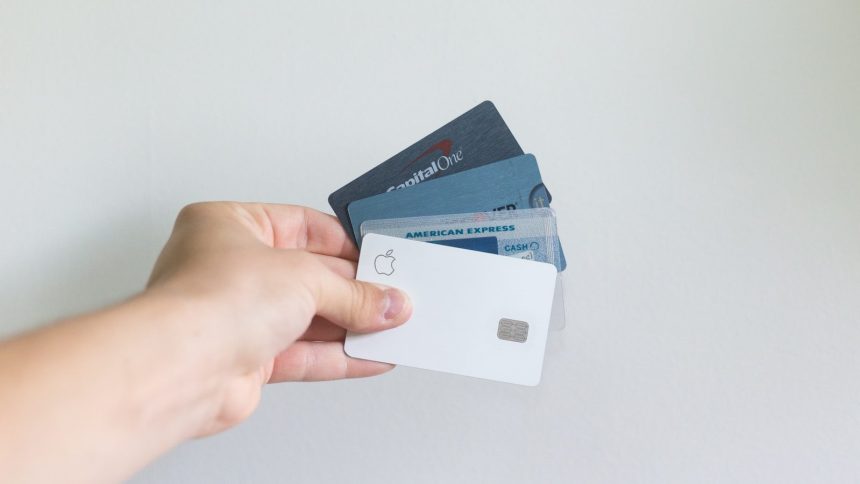
You made your payment last month, and the month before that. But this month the due date slipped past before the money was actually there. Now there’s a late fee, and a small knot in your stomach that wasn’t there a year ago. If it feels like more people around you are falling behind on credit cards right now, the data backs that up. Credit card delinquency just climbed to its highest level in 15 years. Here’s what the numbers actually mean, and what to do if your own account is at risk.
Why Credit Card Delinquency Is Climbing Right Now
Total credit card debt in the United States reached $1.26 trillion in the second quarter of 2026, according to the Federal Reserve Bank of New York’s latest household debt report. That’s up $21 billion from the prior quarter. Delinquency rose alongside that balance growth. One widely cited measure, the share of credit card balances reported 90 or more days past due, climbed to roughly 13%, the highest level since the years following the 2008 financial crisis.
That headline number needs context, though. It counts charged-off debt that stays on credit reports for years after an account closes. Credit bureaus now report about 80% of those charge-offs a full year later, roughly double the 40% rate from 2004 to 2012. A separate measure the New York Fed tracks, new balances flowing into serious delinquency each quarter, sat at 6.97% in the second quarter. That’s only slightly above the 6.93% recorded a year earlier. New delinquencies are elevated, but comparatively stable. Old, unresolved debt still sitting on credit reports is what’s pushing the bigger number higher.
The K-Shaped Divide Behind the Numbers
None of this distress spreads evenly. Several quarters of New York Fed research now point to what economists call a K-shaped divide, where higher income households keep paying down balances while lower income and subprime borrowers fall further behind. The average interest rate on credit card balances sits around 21.5%. Carrying a balance costs more the less room you already have in your monthly budget. If your own balance feels stuck no matter how much you send in, high interest is usually a bigger factor than anything you’re doing wrong.
Figure Out Which Number Actually Applies to You
Aggregate statistics describe millions of accounts, not your specific one. Log into your card issuer’s website or app and check your own account status directly. Look at your last payment date, your current balance, and whether the account shows as current, 30 days late, 60 days late, or further behind. That single check tells you more about your real risk than any national headline does.
Call Your Card Issuer Before You Hit 90 Days Late
Reach out to your card issuer the moment you know a payment is at risk, not after you’ve already missed one. Many issuers offer hardship programs that lower your interest rate or reduce your minimum payment for a set period. Ask specifically about hardship or forbearance options, since issuers do not always volunteer them unless you ask directly. A payment reported at 30 days late already dents your credit score, and 90 days late is generally the point where accounts start moving toward charge-off. The earlier you call, the more options tend to still be on the table.
Understand What Happens After Charge-Off
Card issuers typically charge off an account after about 180 days of nonpayment. That does not erase what you owe. The issuer either keeps collecting the debt internally or sells it to a collection agency, and the account can stay on your credit report for up to seven years from the original delinquency date. The Consumer Financial Protection Bureau requires debt collectors to verify a debt in writing if you request it, and you have the right to dispute anything you don’t recognize. A letter from a collector feels alarming, but you still have real leverage and real rights at this stage.
Get Your Balance Off the Delinquency Track
The fastest way out of delinquency risk is shrinking the balance itself, not just managing the due date. If you’re not sure where to start, our guide on how to pay off credit card debt walks through choosing between the debt snowball and debt avalanche methods, asking for a lower rate, and automating extra payments. Even $25 extra a month, moved automatically right after payday, keeps a balance moving in the right direction instead of drifting toward another missed due date.
Know When to Call a Nonprofit Credit Counselor
A nonprofit credit counselor through the National Foundation for Credit Counseling can review your full financial picture for free. Reach out if minimum payments alone strain your budget, or if you’re already juggling more than one account close to delinquent. A structured debt management plan can lower your interest rate and combine payments into one, though it usually requires closing the accounts involved. Asking for this kind of help isn’t a last resort. It’s a normal step for a specific, stressful situation, and a short conversation can tell you quickly whether it fits yours.
Frequently Asked Questions About Credit Card Delinquency
What Does It Mean for a Credit Card to Be Delinquent?
A card becomes delinquent the day after you miss a payment due date. Issuers generally start reporting delinquency to credit bureaus once a payment is 30 days late, with more serious reporting at 60, 90, and 120 days.
Why Do Some Reports Say Delinquency Is at a 15 Year High While Others Say It’s Stable?
Different measures count different things. A measure based on outstanding balances 90 or more days past due includes old charged-off debt still sitting on credit reports, while the New York Fed’s transition rate only counts newly delinquent balances each quarter. The first number is elevated. The second has stayed comparatively steady.
How Long Does a Late Payment Stay on My Credit Report?
A single late payment can stay on your report for up to seven years, though its impact on your score fades well before that. More recent late payments hurt more than older ones.
Will Calling My Card Issuer About a Missed Payment Hurt My Credit?
No. Reaching out proactively does not itself affect your credit score. Missing the payment is what hurts your score, so contacting your issuer before that happens only helps.
Is Today’s Credit Card Delinquency as Bad as the 2008 Financial Crisis?
Some measures sit near levels last seen after 2008, largely due to longer reporting windows on old debt. Newer delinquencies, the balances actually falling behind each quarter, remain elevated but far more stable than during the crisis itself.
Final Thoughts
A 15-year high sounds alarming, and for a lot of households, the strain behind that number is real. But the headline figure describes the whole country, not your one account. Check where you actually stand, call your issuer before a due date slips past you again, and put any extra dollar you can find toward the balance itself. That combination moves you off the delinquency track faster than waiting and hoping the next statement looks better on its own.
Photo by Avery Evans; Unsplash