

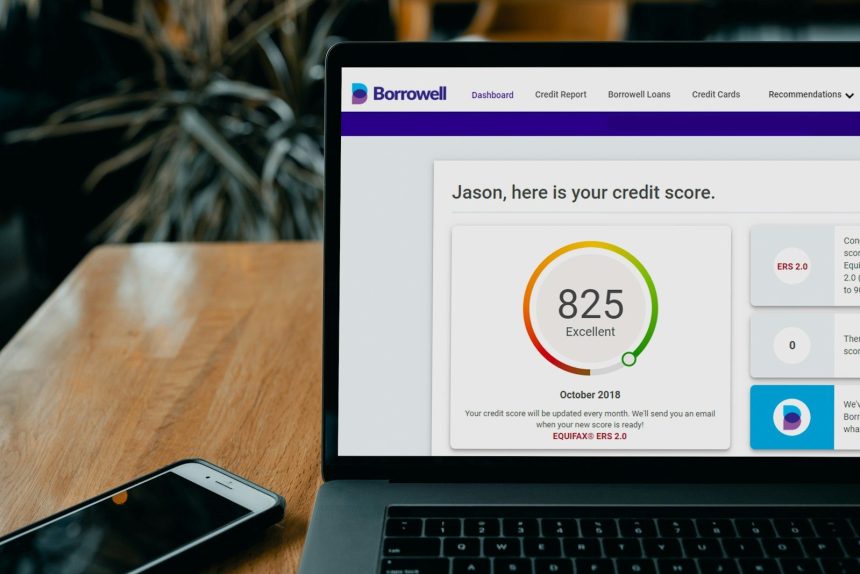
You made the last payment. Maybe it took two years, maybe it took five, but the balance finally hit zero. You expected to feel triumphant, and you do, for about a day. Then you check your credit score, and it has barely moved, or worse, it dropped a little. You’re not imagining it, and you didn’t do anything wrong. Rebuilding credit after debt follows its own timeline, and that timeline is more predictable than it feels right now.
This breaks down what happens to your credit score in the weeks, months, and years after you pay off debt. It covers why the timing varies so much from person to person and what speeds up the process without costing you anything extra.
Right now you’re carrying two things at once: relief that the debt is gone, and frustration that your score hasn’t caught up to your effort. That gap matters. It can affect whether you can refinance a car, qualify for an apartment, or get approved for a mortgage at a decent rate. A realistic outcome here is not a perfect 800 score by next quarter. It is a score that climbs steadily over the next six to twenty-four months as your payment history builds and your old debt fades into the background of your report. Understanding the mechanics behind that climb makes the wait easier to tolerate, and it helps you skip moves that won’t actually speed anything up.
What Happens to Your Score in the First Few Weeks
Your credit score does not update the moment you make a payment. Lenders report account activity to the three credit bureaus, Experian, Equifax, and TransUnion, on their own monthly schedule. That schedule creates a lag between paying off a debt and seeing it reflected in your score.
For revolving debt like credit cards, that lag is usually short. Paying off revolving debt typically increases your credit score within one to two months. Lenders report your updated balance after your billing cycle closes, and most report within roughly 30 days of the payment itself, depending on the issuer’s reporting schedule.
Installment debt behaves differently, and that’s what surprises a lot of people. Paying off a car loan or personal loan in full closes that account. Closing your only installment loan can cause a temporary dip in your score, which will recover within a few months. This dip does not mean something went wrong. It is simply how credit mix and account age get weighted, and the recovery tends to happen on its own as long as you keep your remaining accounts current.
How Your Score Is Actually Weighted
Seeing the full picture of what drives your score helps more than guessing at which factor matters most. Most FICO scoring models break down into five weighted components. Looking at them side by side makes it clear why payment history and utilization deserve the bulk of your attention during a rebuild.
Payment history accounts for 35 percent of the score. Credit utilization makes up 30 percent. Length of credit history accounts for 15 percent, credit mix for 10 percent, and new credit activity for the remaining 10 percent. Payment history and utilization together make up nearly two-thirds of the score. That weighting is exactly why the two highest-leverage habits during a rebuild are paying on time and keeping balances low relative to your limits. The other three factors matter too, but they shift slowly and respond mainly to time rather than any single action you take this month.
Why the Timeline Stretches Longer for Some People
If your debt involved missed payments, collections, or a settlement rather than a straightforward payoff, the rebuilding window looks different. The damage from those events does not disappear the moment the underlying debt gets resolved. Different credit events carry different recovery timelines and different record-keeping rules.
| Credit Event | Typical Score Recovery Window | How Long It Stays on Your Report | What Helps Most |
|---|---|---|---|
| Revolving debt paid off | 1 to 2 months | Not applicable, updates monthly | Pay down balances before your statement closing date |
| Installment loan closed | 1 to 3 months, temporary dip | Remains as a closed account for years | Keep other open accounts active to preserve credit mix |
| Settled debt account | 6 to 24 months | 7 years from the delinquency date | Confirm it reports as paid, even if for less than owed |
| Late payment, 30 plus days | Drops quickly, fades gradually | 7 years from the missed payment date | Automate payments to protect your on-time streak going forward |
| Chapter 7 bankruptcy | Often years to fully recover | 10 years from the filing date | Rebuild with a secured card and on-time payments over time |
Why a Derogatory Mark Isn’t a Permanent Penalty
A derogatory mark is not the same thing as an ongoing penalty. Your score can recover even while the mark stays visible on your report, because the mark is a record of the event, not a deduction that grows over time. As the negative item ages, it carries less weight. That’s why someone two years removed from a missed payment sits in a meaningfully better position than someone two months removed from it, even though both technically still have the mark on file.
What Settlement Means for Your Timeline
For debt that went to settlement specifically, expect a slower climb than a simple payoff. This is one of those moments where the nuance matters. Settling a debt is almost always better for your score than leaving it unpaid, but it rebuilds more slowly than an account paid in full on the original terms. If your situation involves settlement, plan for the longer end of that range so a slow climb doesn’t catch you off guard.
What Actually Speeds This Up
No shortcut erases months from this timeline. A few specific actions do consistently move the needle faster than doing nothing.
Check Your Report for Errors First
Pull your full credit report before you do anything else. Errors show up on reports more often than most people expect, and removing even one inaccurate late payment can produce a real, fast improvement. The Consumer Financial Protection Bureau recommends disputing any error directly with the credit reporting company and the business that supplied the incorrect information. Explain the mistake in writing and include supporting documents. If you have already worked through a payoff plan, this is the natural next step. Our guide on <a href=”https://debtdiscipline.com/how-to-pay-off-credit-card-debt-when-youre-living-paycheck-to-paycheck”>how to pay off credit card debt when you’re living paycheck to paycheck</a> covers how to get the full picture of what you owe before you start disputing anything.
Keep Paid Off Accounts Open
Resist the urge to close a card you just paid off. Closing it reduces your available credit and can raise your utilization ratio overnight, which directly undermines the improvement you just earned. Instead, run a small recurring expense through the card and pay it off in full each month.
Aim for Low Utilization, Not Zero
People with excellent credit average roughly 7 percent utilization rather than 0 percent. A small reported balance shows lenders the account is active and being managed responsibly. Sitting at zero forever can actually look like thinner activity than a small, consistently paid balance.
Slow Down on New Credit
Avoid opening several new accounts at once while you are rebuilding. Each application triggers a hard inquiry, and stacking up too many inquiries in a short window can raise a flag with lenders, since it signals an urgent need for credit even when that isn’t the real story.
Check Your Score Monthly, Not Daily
Credit bureaus generally update scores once a month as lenders report new information. Checking daily mostly shows you noise. Checking monthly gives you an honest read on the trend without the emotional whiplash of normal short-term fluctuation.
Keep a Simple Dispute Log
If you file a dispute, keep a basic record of it. You’ll know what you submitted and when a response is due. The bureau generally has 30 days to investigate once you file, so a log helps you follow up at the right time instead of wondering whether something is still pending.
A workable log needs four things per item: the account name, which bureau you disputed it with, the filing date, and the outcome once you hear back. A notes app, a spreadsheet, or a page in a notebook all work fine. What matters is writing it down somewhere you’ll actually check again in a month.
What to Expect Month by Month
For most people coming out of a straightforward payoff with no major negative marks, the first real movement appears within 1 to 2 months, once the paid-off balances are reported. Months three through six usually bring steadier, smaller gains as utilization stays low and payment history builds. By the one-year mark, most people with otherwise clean credit see scores that look meaningfully different from where they started.
If your situation included a collection account, settlement, or bankruptcy, the early months may look flatter. That flatness does not mean nothing is working. It means the heavier damage takes longer to outweigh. The climb tends to become more visible in the one-to two-year range, as the negative event ages and your new payment history builds up around it.
But What If I Can’t Afford to Do All of This Right Now
You don’t need to do everything on this list at once. If money is tight, focus on the two highest impact moves, since both cost nothing: keep your existing accounts current, and don’t close the cards you just paid off. Disputing report errors is also free. Save lower utilization and other gradual habits for when your budget allows.
Try This Week
- Pull your free credit report from all three bureaus and check it line by line for errors
- Circle any account, balance, or late payment that looks wrong or unfamiliar
- File a dispute in writing with the bureau and the company that reported the error
- Start a simple dispute log with the account name, bureau, date filed, and outcome
- Check your current credit utilization on every open card
- Keep any card you just paid off open instead of closing it
- Run one small recurring expense through a paid-off card each month and pay it in full
- Avoid applying for new credit for at least the next few months
- Mark your calendar to check your score once a month, not daily
- Note your starting score today so you have a real baseline to compare against
- List which of your accounts are revolving versus installment to understand your credit mix
- Read through the <a href=”https://www.consumerfinance.gov/consumer-tools/credit-reports-and-scores/”>Consumer Financial Protection Bureau’s credit score resources</a> if you want to go deeper on how your specific score is calculated
Final Thoughts
The wait between paying off debt and seeing your score reflect that work is real, and it’s reasonable to find it frustrating. Your effort wasn’t wasted just because a number is slow to catch up. Keep your accounts open, keep your payments on time, and check your report for errors this month. The climb is steadier than it feels from where you’re standing right now.
Photo by PiggyBank: Unsplash