

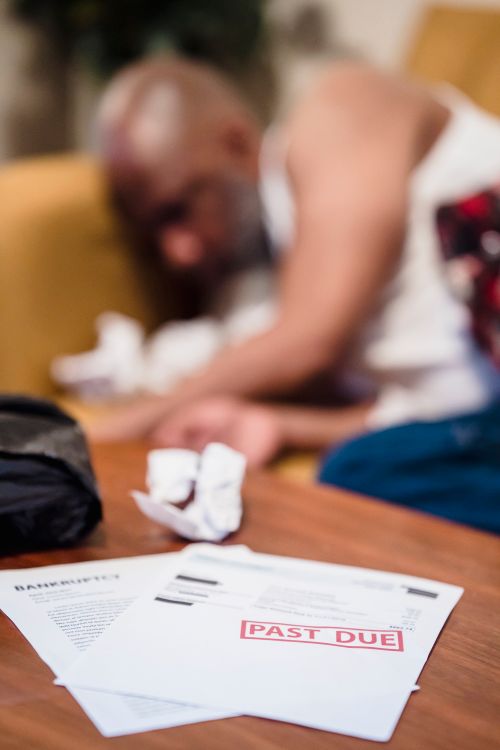
You skipped the refill this month. Not because you forgot, but because the card was already close to its limit. The minimum payment was due Friday. A new survey says you are far from alone. Skipping medical care for debt has become a real tradeoff for millions of households in 2026. The numbers behind it are more specific than most people realize.
Short-Term Debt Is Taking Longer to Pay Off
The Achieve Center for Consumer Insights surveyed 2,000 U.S. adults with an active debt account in June 2026. Fifty-six percent said paying off their short-term unsecured debt would take more than six months. That includes credit cards, buy now pay later loans, personal loans, and medical bills. Twenty-nine percent called their debt more than they can manage. Fifty-three percent called it manageable, and 18% said they carry no debt at all.
The trend moved in the wrong direction from the quarter before. Only 33% said their total debt fell over the past three months. That is down from 38% in the prior quarter. Twenty-two percent said their debt grew, holding steady. Forty-five percent reported no change, up from 40%. Fewer households are making real progress than six months ago.
Credit Cards Are Covering Groceries and Utilities Now
Essential expenses, not discretionary spending, are driving much of this debt. Fifty-five percent of respondents said they carry a credit card balance because essential costs rose. That is up from 53% the quarter before. Twenty-seven percent have carried that essential-expense balance for more than six months, up from 25%.
Comfort with that arrangement is split almost evenly. Fifty-two percent said they are comfortable carrying an essentials balance without paying it off right away. The other 48% are not. If a credit card balance is weighing on your budget, our guide to paying off credit card debt can help. It covers how to request a lower rate before a balance grows further.
When Paying Every Bill on Time Gets Hard
Most people in the survey are still keeping up. Eighty-eight percent paid all or nearly all of their monthly obligations over the prior three months. But 34% said keeping debt payments on time was difficult or very difficult. That is a notable share given how many also called their debt manageable.
Income gaps, not disorganization, explain most of the strain. Among people struggling to pay on time, 66% cited insufficient household income. Thirty-one percent cited owing money across too many accounts at once. Twenty-two percent pointed to a mismatch between paydays and due dates. That is a timing problem, not a true shortfall.
The Risky Shortcuts Half of Struggling Borrowers Are Taking
Roughly half of respondents who fell short on a payment turned to at least one stopgap afterward. Half of that group cut spending on basic necessities first. Thirty-two percent took on more credit card debt to cover the gap. Twenty-eight percent borrowed from family or friends instead.
The stopgaps get riskier from there. Twenty-five percent drew down short-term savings meant for emergencies. Eighteen percent missed at least one debt payment outright. Most notably, 19% delayed or skipped medical treatment to manage their budget. Eleven percent skipped or reduced a prescribed medication dose.
ConsumerAffairs covered the Achieve findings in August 2026. Its reporting noted that households able to make the next payment are not necessarily financially secure. Keeping current on a card doesn’t mean you have room to absorb the next unexpected cost.
What to Do Before You Choose Between a Bill and Your Health
Call your provider’s billing office before you skip an appointment or a refill. Many hospitals and clinics offer income-based financial assistance. Some also offer interest-free payment plans, but usually only to patients who ask first. Waiting until a balance is overdue closes off options available now.
Separate your debts by urgency instead of treating every bill the same. A missed utility payment or a skipped prescription can compound quickly. A credit card minimum payment usually does not carry that same immediate risk. Prioritize your health and essential services first, then work down other balances with what is left.
If stress is pushing you toward spending you cannot afford, recognize that pattern early. Our breakdown of doom spending covers how anxiety-driven purchases compound an already tight budget. It also covers small changes that help break the cycle before it adds another balance to track.
A nonprofit credit counselor can help before a stopgap becomes a habit. Many offer a free budget review within a single session. That review can show whether a formal debt management plan would free up room for care you have been postponing.
Frequently Asked Questions About Debt and Skipping Medical Care in 2026
How Many Americans Are Skipping Medical Care Because of Debt?
Among survey respondents who used a financial stopgap after falling behind, 19% delayed or skipped medical treatment. Eleven percent skipped or reduced a prescribed medication dose, according to the Achieve Center for Consumer Insights.
Why Are More People Carrying Credit Card Debt for Essentials?
Fifty-five percent of respondents said rising costs for everyday essentials are the reason they carry a credit card balance. That is up from 53% the previous quarter.
How Long Does It Take the Average Person to Pay Off Short-Term Debt?
Fifty-six percent of survey respondents said paying off all their short-term unsecured debt would take longer than six months.
What Should I Do Instead of Skipping a Medical Bill or Prescription?
Contact the provider’s billing office first. Ask about income-based financial assistance or an interest-free payment plan before a bill becomes overdue. Many programs are available only to patients who ask before collections.
Is It Normal to Struggle With On-Time Debt Payments Right Now?
It is common. Thirty-four percent of survey respondents called keeping debt payments on time difficult or very difficult. Most pointed to insufficient income, not poor budgeting, as the cause.
Final Thoughts
Debt stress rarely stays contained to a single bill. It spreads into decisions about groceries, prescriptions, and appointments that have nothing to do with the original balance. Most households are still meeting their obligations, but a shrinking share are making real progress. A troubling number are paying for that gap with their health. Start by separating medical and essential bills from everything else. Call before a bill goes to collections. Treat any stopgap you are using right now as a signal to get help, not a long-term plan.
Photo by Nicola Barts: Pexels