

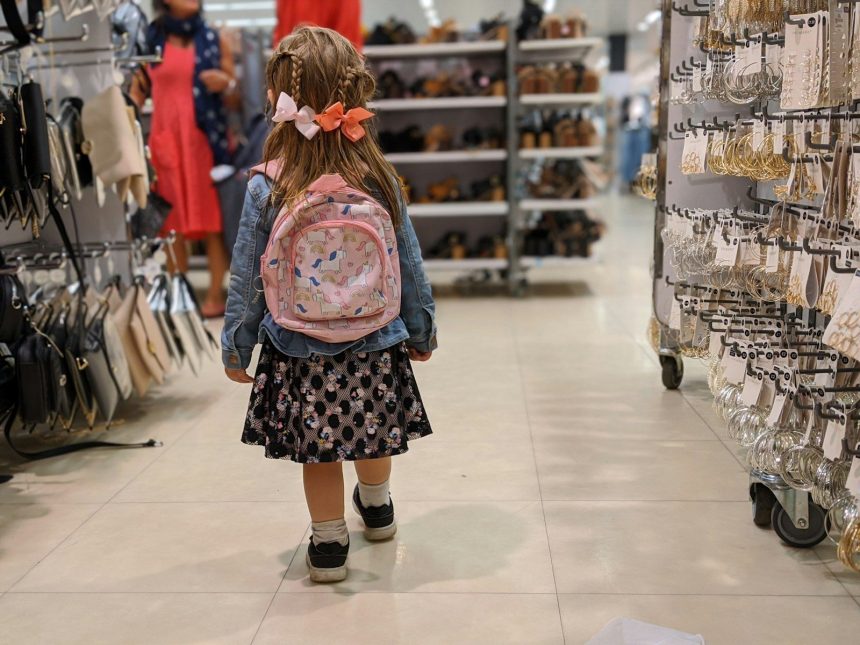
You already said yes to the new sneakers. Then the school supply list showed up, and yes turned into a credit card swipe you hadn’t planned on. You’re not the only one. Back to school debt is climbing fast in 2026, and more parents are financing the season instead of budgeting for it. Here’s what’s driving the increase, and how to cover the costs without carrying a new balance into the holidays.
How Much Back to School Debt Parents Are Taking on in 2026
The average family with kids in kindergarten through 12th grade will spend $863.86 this year, according to the National Retail Federation’s 2026 back-to-school survey. Combined, families are on pace to spend a record $43.3 billion on the season.
A growing share of that total is being financed on credit rather than drawn from savings. Forty-five percent of parents say they plan to take on debt for back to school shopping this year, up from 34% in 2024. Fifty-seven percent already carry a credit card balance before the shopping even starts, according to a Credit Karma survey of parents released this back-to-school season. Nineteen percent say they have no money saved for these costs at all.
Why Families Are Financing School Shopping Instead of Saving for It
Sixty-three percent of parents expect to add to an existing credit card balance to cover school costs this year, and 48% have opened a new card or raised a limit specifically for these purchases. The reasons are more emotional than financial. Fifty-four percent say they would rather charge a purchase than tell their child no, and 64% say taking on more debt makes them anxious even as they do it.
That tension is getting worse, not better. Fifty-four percent of parents say they dread back-to-school season because of the financial pressure, up from 44% in 2024. Thirty-nine percent say back-to-school costs have caused an argument or tension at home. None of that means a parent is failing. It means the season costs more than most household budgets set aside for it, and a plan matters more than willpower alone.
The Payment Methods Parents Are Actually Using
Credit cards remain the top method, with 43% of parents planning to rely on one to cover school costs. 16% plan to spread purchases across a handful of buy now, pay later apps, splitting one shopping trip into several smaller loans due on different dates. That structure makes the total easy to lose track of, especially once a few of those loans are running across different apps at once.
The remaining gap is filled with extra work rather than extra credit. Twenty-two percent of parents plan to pick up overtime, and 18% plan to take on gig work or a second job. 15% will pull from savings or an emergency fund, and 52% have already spent more than $250 on additional school costs that came up after the school year began.
How to Cover Back to School Costs Without New Debt
Set a spending cap by category before you shop, using this year’s national averages as a benchmark: $293 for electronics, $250 for clothing, $174 for shoes, and $146 for supplies per student. A number on paper is easier to stick to at checkout than a vague sense of “not too much.”
Buy the essentials first and hold off on the rest. Forty-seven percent of parents already plan to purchase only what’s required at the start of the year and replenish supplies as the year goes on, which spreads the cost out instead of front-loading it onto one card. Pay with a debit card or cash for anything on your list that isn’t required immediately, and reserve credit only for the purchases you already know you can pay off on the next statement.
If you’re building next year’s budget now, open a dedicated savings account and automate a small transfer, even $20 or $30 a paycheck, so August 2027 draws from a fund instead of a credit line.
What to Do if You Already Charged This Season
If you’ve already put school costs on a card, treat that balance the same way you’d treat any other debt: with a specific payoff number and a target date, not an open-ended “I’ll get to it.” The same habits that work for paying off credit card debt on a tight budget apply here. List the balance and rate, automate an extra payment right after payday, and avoid opening another card or BNPL loan while this one is still open.
Small, consistent payments can close a few hundred dollars in back-to-school charges faster than most parents expect, especially if the balance gets attention now rather than blending into a much larger one by December.
Frequently Asked Questions About Back to School Debt
How Much Are Parents Spending on Back to School in 2026?
The average family with K-12 students is spending $863.86 this year, and total national spending is on pace to hit a record $43.3 billion, according to the National Retail Federation.
Is It Normal to Go Into Debt for Back to School Shopping?
It’s common, though that doesn’t make it harmless. Forty-five percent of parents plan to take on debt for the season, and 57% already carry a credit card balance before shopping starts.
What’s the Best Way to Pay for School Shopping Without a New Balance?
Set a category budget before you shop, buy required items first, and pay with debit or cash for anything you can’t pay off on your next statement.
Does Buy Now Pay Later Affect My Credit for School Purchases?
It depends on the provider. Some only report missed or late payments, while others report every payment. Check your specific app’s policy before splitting a purchase across several loans.
How Can I Avoid Back to School Debt Next Year?
Start a dedicated savings account now and automate a small transfer each paycheck. A fund built over 12 months covers the season without touching a credit card at all.
Final Thoughts
Back to school debt is climbing because the season costs more than it used to, and because charging it feels easier than saying no in the moment. Neither of those things has to define how your family covers it next time. Set a real number before you shop, use a payment method you can actually pay off, and, if a balance already exists, set a payoff date this week. That’s what keeps one shopping season from turning into a debt you’re still carrying at Thanksgiving.
Photo by Josh Maddocks: Unsplash