

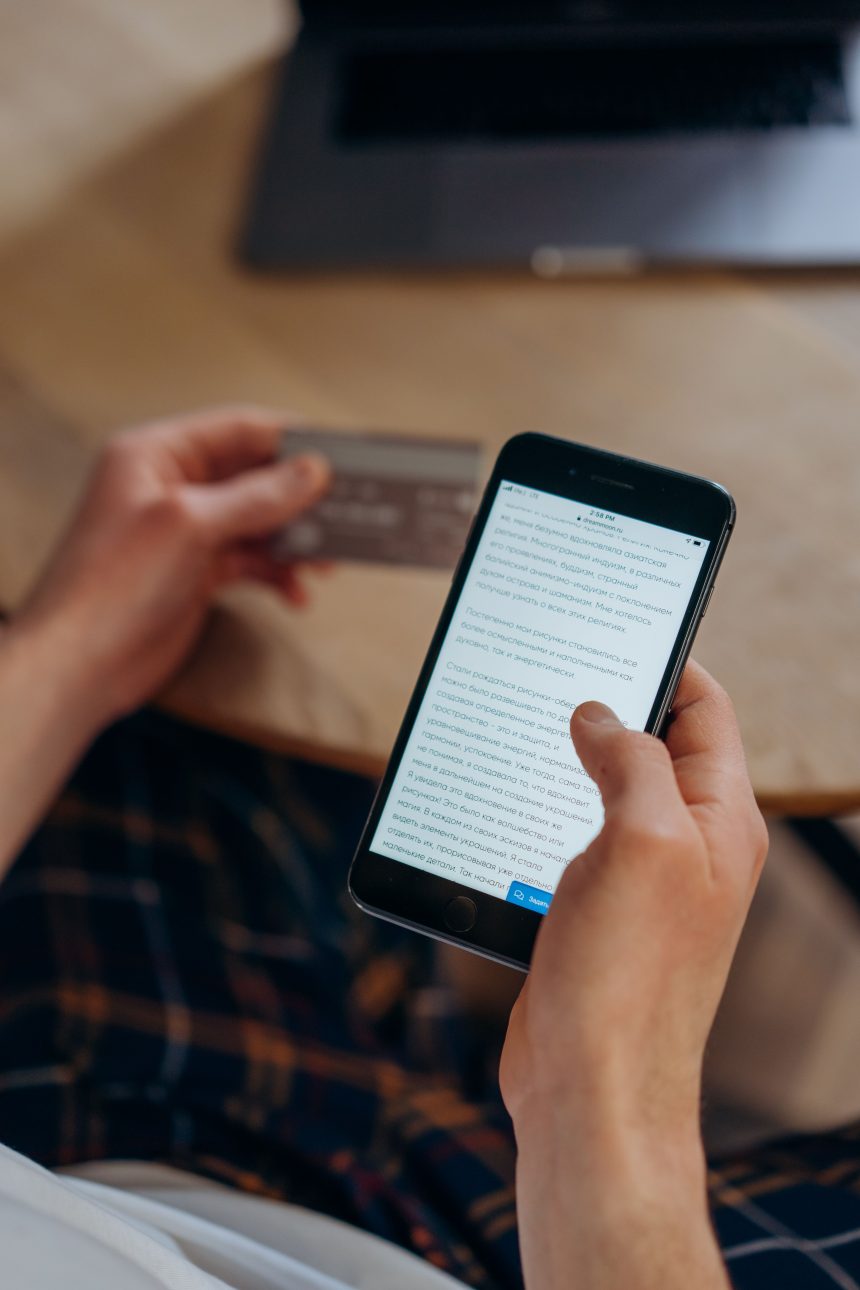
Buy now pay later late payments have reached their highest level on record. A LendingTree survey fielded in March 2026 looked at buy now pay later users. It found that 47% paid late at least once in the past year. That is up six points from 41% in 2025. It is up thirteen points from 34% two years ago. The rate has now climbed for a second straight year.
Buy Now Pay Later Late Payments Keep Climbing
Most borrowers who fall behind do not fall far behind. Among the 47% who paid late, 72% say their most recent slip was about a week past due or less. Another 15% of users paid late at some point, but not in the past year. Thirty eight percent say they have never paid late at all.
Still, the trend line matters. Two years ago, roughly a third of buy now pay later users had missed a payment. Today it is nearly half. LendingTree’s chief credit analyst, Matt Schulz, tracks this data for the firm’s BNPL Tracker. He frames the shift as a sign these loans now carry real weight in household budgets.
Why So Many Borrowers Fall Behind
Part of the answer is simple math. Sixty three percent of buy now pay later users have held more than one loan at once. A quarter have carried three or more loans at the same time. That share is up slightly from 23% a year earlier. Gen Z and millennial borrowers lean hardest into this pattern, at 29% and 28%.
Juggling several payment schedules across several apps makes a due date easy to lose track of. Researchers call this pattern loan stacking. It shows up across other forms of short term credit too. Buy now pay later debt was already adding up before stacking became common. Several overlapping loans just make the math harder to follow week to week.
Spending habits add to the pressure. Sixty eight percent of buy now pay later users agree the loans push them to overspend. That number jumps to 83% among Gen Z shoppers. More than half, 54%, say they have regretted a purchase made this way. That is up from 48% in 2025. Some of that regret comes from necessity, not impulse. The same tracker found 29% of users have used buy now pay later for groceries. That is more than double the 14% who said the same two years ago.
The Research Behind The Numbers
LendingTree’s 2026 BNPL survey draws on three separate polls of U.S. adults conducted this year. One focused on late payments and surveyed more than 2,000 consumers in March. A December 2025 report from the Consumer Financial Protection Bureau adds context on cost. It found the average buy now pay later purchase ran about $135. The average late fee charged in 2023 was $9.99, though not every lender charges one.
Those figures help explain why one missed payment rarely wrecks a budget alone. The real risk builds when several small loans miss at once. Each one carries its own fee, due date, and grace period.
What Happens When You Fall Behind
Fifty four percent of buy now pay later users say they could not make ends meet without these loans. That share climbs to 62% among parents of children under 18. It reaches 59% among millennials. For many households, buy now pay later has moved from a convenience to a monthly cushion.
That shift raises the stakes of a late payment. A borrower may treat one loan as flexible and not notice how three or four stacked loans add up. Together they can resemble a fixed bill much like a credit card balance. Most of these loans still sit outside the BNPL credit report gap. That means a new lender often cannot see how much a borrower already owes across other apps.
How To Use Buy Now Pay Later Without Falling Behind
A few habits can keep a useful tool from becoming a source of stress. Start by writing down every active loan in one place. Include the amount, the due date, and the lender for each one. This single step fixes the most common cause of a missed payment: losing track of how many loans are open.
Next, cap how many loans you carry at once. Two or three is manageable for most budgets. Five or six, spread across different apps, is how a late fee sneaks up on an otherwise careful shopper.
Finally, treat a missed payment as fixable, not final. Late fees on these loans tend to be small next to credit card penalty rates. LendingTree’s own tracker found that 90% of borrowers who asked for a fee waiver got one. A quick message to customer support often solves the problem fast.
Try This Week
- List every open buy now pay later loan, including balance and due date.
- Set a reminder two days before each payment is due.
- Cap active loans at two or three at any given time.
- Ask your bank app to flag any buy now pay later charge.
- If you already missed a payment, ask the lender about a fee waiver.
- Avoid opening a new loan to cover a payment on another one.
- Check your statement monthly for small recurring charges you forgot about.
- Pay in full within the same billing cycle whenever your budget allows it.
Does Buy Now Pay Later Affect Your Credit Score If You Pay Late?
Most buy now pay later lenders still do not report routine payments to the three major credit bureaus. One late payment usually will not move your score the way a missed credit card payment would. That protection has limits, though. A debt sent to collections can still land on a credit report. Some lenders have also started reporting selectively as the industry shifts.
Final Thoughts
Buy now pay later loans can still help spread out a necessary purchase. The record late payment rate in 2026 shows what happens when convenience becomes a juggling act. Track what you owe in one place. Cap how many loans you carry. Ask for a fee waiver the moment you slip. These small habits keep a flexible tool from turning into a fixed monthly burden.
Photo by Mikhail Nilov: Pexels