

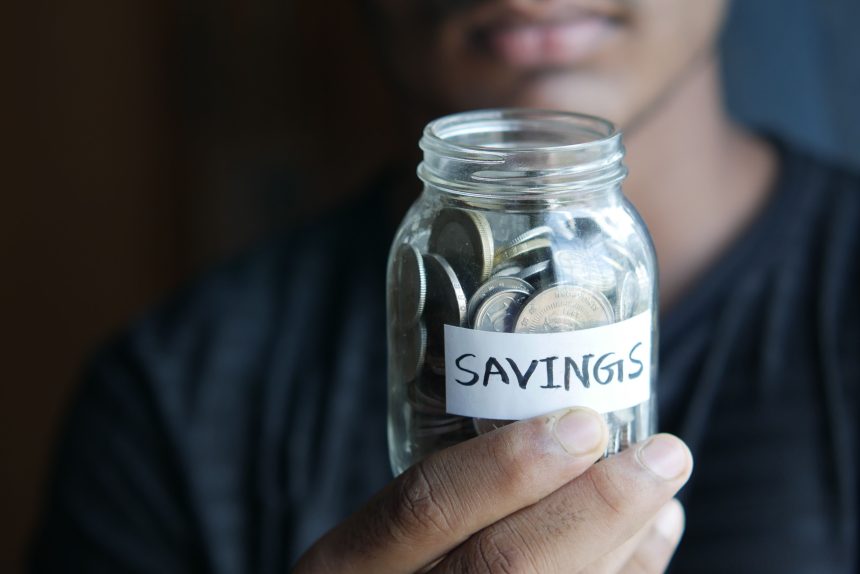
A job loss, a car repair, or a broken furnace can turn into a credit card balance overnight. Bankrate’s 2026 Emergency Savings Report found that just 47% of Americans could cover a $1,000 emergency expense using savings alone. The rest would have to borrow, often on a credit card already carrying a balance. Nearly 1 in 4 Americans now have no emergency savings at all. The gap between what households save and what they owe keeps widening in 2026.
What Bankrate’s Survey Found About the Savings Gap
Bankrate surveyed thousands of U.S. adults for its 2026 Emergency Savings Report. The findings paint a stark picture. Only 46% of Americans have enough savings to cover three months of expenses. About 24% have no emergency savings whatsoever. Another 29% carry more credit card debt than savings. Only 44% have more savings than debt. The remaining 19% have neither savings nor credit card debt.
Why So Many Households Carry More Debt Than Savings
Most people know they should build a cushion before an emergency hits. Doing it is harder. Bankrate found that 58% of adults have as much or less emergency savings than a year ago. Only 21% actually grew their savings over that time. Rising prices are the biggest reason people cite for falling behind. More than half, 54%, blame inflation for their inability to save more.
Knowing how much to save removes the guesswork. A realistic emergency fund by income level turns a vague goal into a specific number. Starting with a small, defined target beats waiting until a bigger emergency forces the issue.
Who Is Falling Behind the Fastest
The savings gap is not spread evenly across generations. Gen Z adults are the most likely to have no emergency savings at all, at 34%. They are also the most likely to have neither savings nor debt, at 27%. Many have not yet taken on much credit at all. Baby boomers sit at the other end of that range. They are the most likely generation to feel comfortable with their savings, at 52%. They are also the most likely to have six months of expenses saved, at 41%.
Income Still Decides Who Can Save
Income, more than willpower, predicts who builds a cushion. Bankrate’s own financial analyst, Stephen Kates, points to this directly. “Growing emergency savings is positively correlated with higher incomes,” Kates says. Households earning $80,000 or more were far more likely to increase savings this year than those earning under $40,000. Kates adds that rising income matters more than spending cuts alone. “Nothing compares to simply having more money to contribute to the cause,” he says.
Inflation Is Eating Into the Safety Net
Rising prices remain the single biggest obstacle to saving more. Bankrate senior economic analyst Mark Hamrick points to inflation as the main driver. “Inflation … rules the roost when it comes to hampering the ability to save,” Hamrick says. September’s inflation report showed consumer prices climbing 3.7% year over year, up from 3.4% in August.
You can read Bankrate’s 2026 emergency savings report for the complete generational and income breakdown.
How to Start Closing the Gap
You do not need a perfect plan to start. A small, automatic transfer after each paycheck builds momentum faster than waiting for a windfall. Even $25 a week adds up to $1,300 over a year, enough to cover many surprise expenses outright.
Start by checking your real monthly expenses, not just your income. That number is what three to six months of savings should actually cover. From there, set the transfer to happen the same day your paycheck lands, before you make any spending decisions. Because the transfer is automatic, you never have to decide whether to save that week.
Paying down high-rate balances matters just as much as saving. Our guide on paying off credit card debt covers picking a payoff method that fits a tight budget. Tackling both goals at once, even slowly, beats waiting to finish one before starting the other.
Frequently Asked Questions About Emergency Savings and Debt
What Percentage of Americans Have No Emergency Savings in 2026?
About 24% of Americans have no emergency savings, according to Bankrate’s 2026 report. Another 30% have some savings, but not enough to cover three months of expenses.
How Much Emergency Savings Should I Have?
Most financial experts suggest three to six months of expenses. Bankrate found 85% of adults say they would need at least three months saved to feel comfortable. Only 46% actually have that much saved.
Is It Better to Pay Off Debt or Save for Emergencies First?
Most certified financial planners recommend doing both at the same time, even in small amounts. Building even $500 in savings first can prevent a new emergency from adding to your balance. You can still keep paying down debt at the same time.
Why Do So Many People Have More Debt Than Savings?
Rising prices and stagnant savings habits both play a role. Bankrate found that 29% of Americans carry more credit card debt than savings. Only 44% have more savings than debt.
Final Thoughts
A thin emergency fund and a growing credit card balance often feed each other. One unplanned bill turns into revolving debt, and that debt makes it harder to save for the next one. Breaking that cycle does not require a large income or a perfect budget. It starts with a specific savings number and a small automatic transfer. Then add a plan to pay down whatever balance costs you the most right now.
Photo by Towfiqu barbhuiya: Pexels